Self-reliance is something the residents of Othandweni Safe House are taught on their journey to wholeness. Most of the GBV survivors have come from environments where they have been enslaved by the world of human-trafficking. “Despite the fact that they have been rescued from that world,“ explained safe house manager, Gill Hammond, “they need to go on a journey of self-discovery to find that they have talents and abilities and are not dependent on other people dictating their lives.”
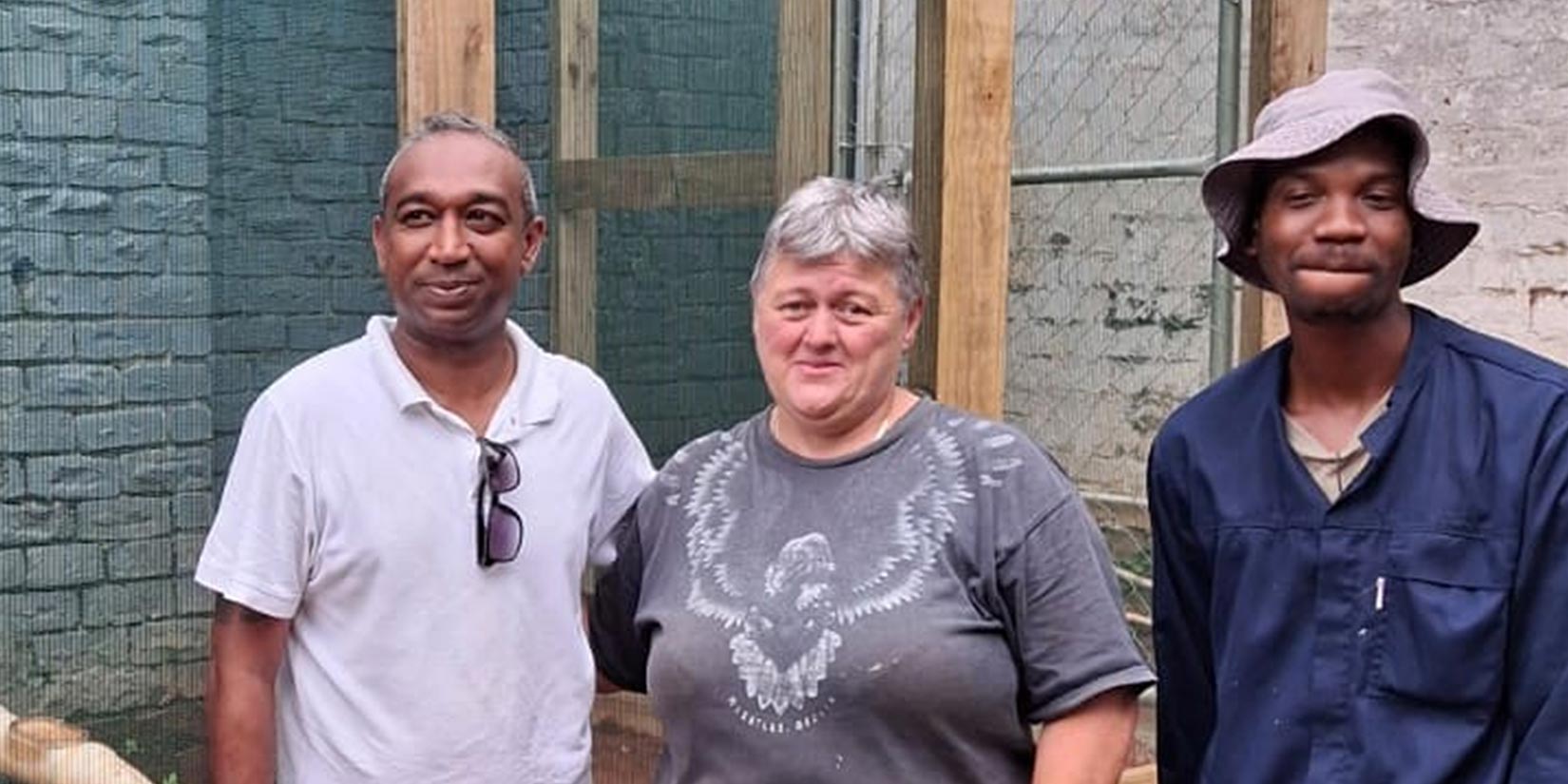
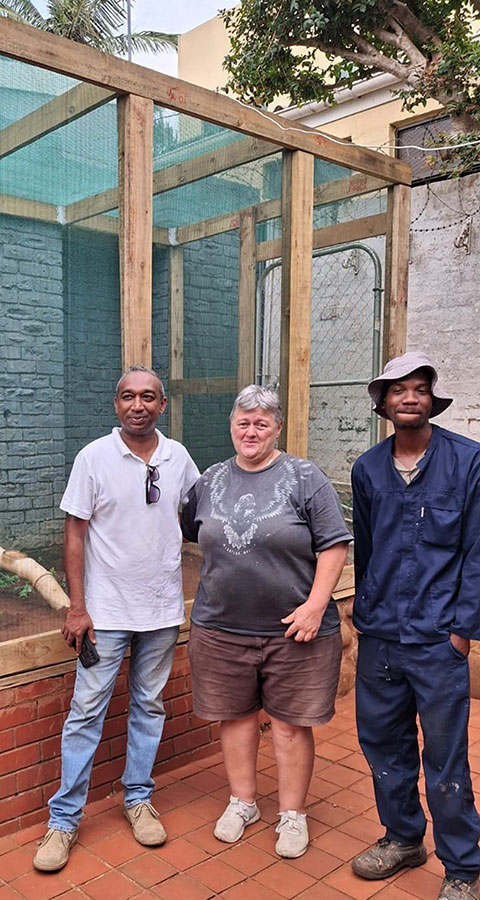
A new avenue of walking this road for the beneficiaries of Othandweni’s anti-human-trafficking programme has just opened. The house is run by The Domino Foundation’s Red Light programme and recently saw the establishment of a vegetable tunnel through the kind offices of First National Bank. Claudia Alexander, FNB’s Community Relations Manager, said: “We have had a relationship with Domino for several years and have seen how their programmes impact the lives of underserved people in our communities. Survivors are very marginalised individuals and integration into society is often a hard process.” She added that FNB felt that a vegetable tunnel could serve several functions for the safe house. Because the tunnels give protection from adverse weather, there is an extended growing season and crop yields are often boosted and the residents’ dining table will have a constant supply of healthy veggies. In addition, in tending the vegetables, the beneficiaries will learn skill s which could stand them in good stead when they leave Othandweni.
Anban Pillay founder of C02 Low, an NPO which drives sustainable food-security solutions and circular economy systems, has given invaluable advice in the process of the tunnel’s establishment: “The soil put into the tunnel has never been subjected to any chemicals, and so anything grown there will be totally organic.” His team will coach the beneficiaries in the art of sustainable horticulture utilising Hugelkulture a centuries-old, traditional way of building a garden bed from rotten logs and plant debris. creating a raised garden with rotting wood to enrich soil, release water, and provide nutrients. techniques, vermiculture, biochar and on-site composting. This will ensure year-round, supplemental organic veggies and herbs for the kitchen.
With Othandweni’s newly-installed water tank, the safe house is set not only to eat more healthily but to have an in-house training field which has the potential of being a key to beneficiaries’ earning futures when they leave the safe house.